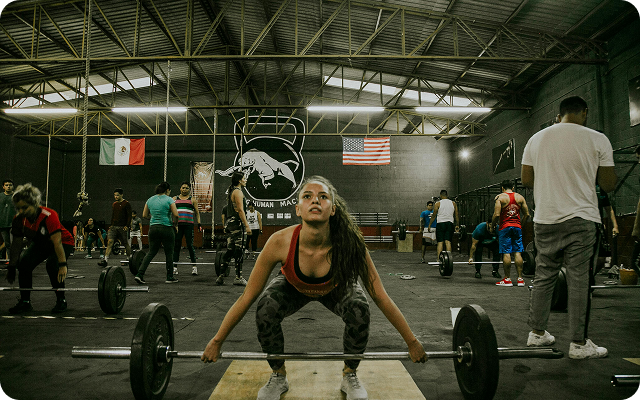

Walk through almost any gym and you’ll see the same pattern: the free weight area is busy, but underused. Many members want to lift heavier and build muscle, yet don’t feel confident training on their own.
According to a recent Life Time survey, building muscle is the top fitness goal for 2026, ahead of weight loss. Members are actively looking for structured ways to get stronger. Weight lifting classes meet that demand.
Why Weight Lifting Classes Make Business Sense
Adding dedicated strength training classes improves both member experience and revenue. Here’s why they matter in 2026.
1. Strength Training Demand Keeps Growing
Strength training has moved fully into the mainstream. Members are prioritizing:
- Muscle gain and body recomposition
- Bone density and long-term health
- Metabolic health
- Confidence in the weight room
Weight lifting classes provide a clear entry point for members who want results but don’t know how to start.
2. They Reduce Weight Room Intimidation
The barbell area is one of the biggest psychological barriers in a gym, particularly for beginners and women.
Coach-led weight lifting classes:
- Teach proper technique
- Create structure and accountability
- Remove uncertainty around form and progression
- Help members train safely from day one
Confidence leads to consistency. Consistency drives retention.
3. Strength Classes Build Member Loyalty
Strength training creates shared progress. Members train through the same cycles, track improvements together, and support each other during challenging sessions.
That environment:
- Encourages regular attendance
- Builds peer accountability
- Strengthens social bonds inside the gym
Gyms with strong social ties see lower churn.
4. Weight Lifting Classes Unlock High-Margin Revenue
Structured lifting classes can be positioned as premium offerings:
- Small-group strength training
- Technique-focused courses
- Progression-based barbell programs
They also feed naturally into:
- Personal training
- Semi-private coaching
- Advanced strength tracks
For many gyms, this becomes one of the highest return additions to the schedule.
How to Launch Your Weight Lifting Classes
You don’t need new equipment or a major redesign. You need clarity, structure, and the right coach.
Step 1: Define the Program
Start with a 4-6 week strength cycle centered on:
- Squat
- Bench press
- Deadlift
- Overhead press
Choose a name that signals approachability and progress, such as Foundations of Strength or Intro to Weight Lifting.
Step 2: Select the Right Coach
The instructor sets the tone.
Look for someone who:
- Can teach movement clearly
- Scales effectively for different experience levels
- Prioritizes form and safety
- Communicates calmly and confidently
Many gyms use this as a growth opportunity for top personal trainers.
Step 3: Market Outcomes Clearly
Focus your messaging on results members care about:
- Feeling confident lifting independently
- Getting stronger without injury
- Understanding proper technique
- Tracking measurable progress
Testimonials from existing members convert better than generic marketing claims.
Why Weight Lifting Classes Matter in 2026
As fitness culture shifts toward longevity and strength, muscle has become a baseline requirement, not a niche goal.
Gyms offering structured weight lifting classes are better positioned to:
- Serve beginners and experienced lifters
- Retain members long-term
- Increase revenue per member
- Differentiate their programming
Strength training isn’t a trend. It’s foundational.
Bottom Line
Weight lifting classes align with how people want to train in 2026. They reduce intimidation, improve retention, and create premium revenue opportunities.
Gyms that invest in structured strength programming are easier to run, easier to market, and harder to replace.