
Opening a martial arts school is an exciting step. You’ve got the knowledge, the experience, and the passion to teach, but having the right training equipment is what turns a good school into a professional one.
The right gear keeps students safe, supports proper skill development, and helps your classes run smoothly. Here’s a clear breakdown of the essential martial arts training equipment every school should prioritize.
1. Safety Gear: Your Non-Negotiables
Before pads, bags, or weapons, safety comes first. This equipment protects students during partner drills and sparring and should be available in multiple sizes.
Essential safety gear includes:
- Mouthguards - Mandatory for any sparring or close-contact drills
- Headgear - Especially important for youth programs and beginner sparring
- Groin protectors - Required for all contact-based disciplines
- Shin and instep guards - Critical for kick-heavy styles like Muay Thai, Taekwondo, and kickboxing
- Training gloves - A mix of lighter sparring gloves and heavier bag gloves
Cutting corners here increases injury risk and undermines trust in your school.
2. Striking & Conditioning Equipment
This is the backbone of most martial arts classes. These tools help students develop power, accuracy, endurance, and timing.
Equipment : Primary Use
Heavy Bags : Building power and practicing combinations.
Focus Mitts and Thai Pads : Improving accuracy, timing, and speed with a partner.
Kicking Shields : Allowing students to practice powerful kicks safely.
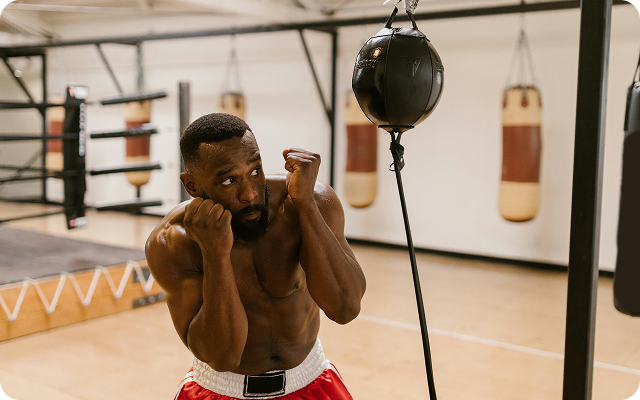
Speed Bags : Developing hand-eye coordination and rhythm.
Durability matters , this equipment gets used every day.
3. Training Weapons (If Your Discipline Requires Them)
For traditional martial arts or weapons-based systems, dedicated training weapons are essential.
Common training weapons include:
- Bo staffs
- Nunchaku
- Kamas
- Escrima sticks
Always start beginners with foam or rubber weapons before progressing to wood or metal. Storage matters too; organized weapon racks improve safety and professionalism.
4. Don't Forget the Mats!
Quality flooring is one of the most important investments you’ll make.
Good mats:
- Absorb impact during throws and takedowns
- Reduce slip and fall injuries
- Create a comfortable surface for drills, warm-ups, and grappling
Whether you use puzzle mats or roll-out systems, make sure they’re properly secured and regularly cleaned.
5. Managing Equipment Expectations with Students
Once your school is equipped, the next challenge is communication - making sure students know what to bring and when.
Using a simple platform like Recess makes this easier. You can:
- Schedule classes clearly
- List required gear in class descriptions
- Keep parents and students informed ahead of time
It’s a small operational detail that prevents confusion and improves the overall student experience.
Final Thoughts
Investing in the right martial arts training equipment from day one sets the tone for your entire school. It shows students, and parents, that you take safety, structure, and progression seriously.
When your equipment supports your teaching, everything else runs more smoothly: classes flow better, injuries decrease, and students progress with confidence.
That’s the foundation of a strong martial arts school.